
Ensuring cognitive accessibility compliance is not just a moral imperative but a legal necessity for modern enterprises. With regulations like the ADA and the European Accessibility Act gaining traction, companies must navigate these waters carefully to avoid costly legal repercussions. Conducting thorough audits and adhering to best practices can safeguard enterprises from potential lawsuits and enhance inclusivity.

TL;DR
- Cognitive accessibility compliance is essential to mitigate legal risks.
- Adherence to standards like ADA and the European Accessibility Act is crucial.
- Conducting audits and implementing best practices protects enterprises from legal repercussions.
Understanding Cognitive Accessibility Compliance
Cognitive accessibility compliance involves ensuring that digital platforms are accessible to people with cognitive disabilities. This compliance is rooted in various standards and regulations, which aim to create a more inclusive digital environment. Enterprises need to understand these requirements to not only meet legal obligations but also to foster inclusivity, which can lead to a broader customer base and improved brand reputation.
Cognitive disabilities can include a wide range of conditions such as dyslexia, autism, ADHD, and other learning disabilities. These can affect an individual's ability to process information, understand complex instructions, or navigate digital interfaces. By ensuring cognitive accessibility, enterprises can create a more welcoming and functional environment for all users.

Why is Compliance Important for Enterprises?
Compliance is crucial for enterprises due to the increasing legal risks associated with non-compliance. Failing to adhere to cognitive accessibility standards can lead to lawsuits and significant financial penalties. Moreover, compliance can enhance customer satisfaction and loyalty by making products and services accessible to a wider audience.
In today's digital age, the internet serves as a primary means of accessing information and services. When websites or digital platforms are not accessible, individuals with cognitive disabilities can be excluded from vital services, leading to potential discrimination claims. In the United States alone, numerous lawsuits have been filed against companies for failing to provide accessible digital content, highlighting the importance of compliance.
Frameworks and Standards
Several frameworks and standards govern cognitive accessibility. The Americans with Disabilities Act (ADA) and the European Accessibility Act are among the most significant. These regulations require organizations to ensure that their digital content is accessible to all users, including those with cognitive disabilities.
The ADA, established in 1990, prohibits discrimination against individuals with disabilities in all areas of public life, including jobs, schools, transportation, and all public and private places open to the general public. Digital accessibility falls under this mandate as websites and online services become integral to everyday life.
Similarly, the European Accessibility Act, which was adopted in 2019, provides a framework to improve the accessibility of products and services in the EU market, including digital content. This act aims to harmonize accessibility requirements across the EU, making it easier for businesses to operate in multiple countries while ensuring accessibility for all citizens.
"Approximately 15% of the global population lives with some form of disability."
— Meeting ADA Requirements Online: Ensuring Accessib, Meeting ADA Requirements Online: Ensuring Accessib
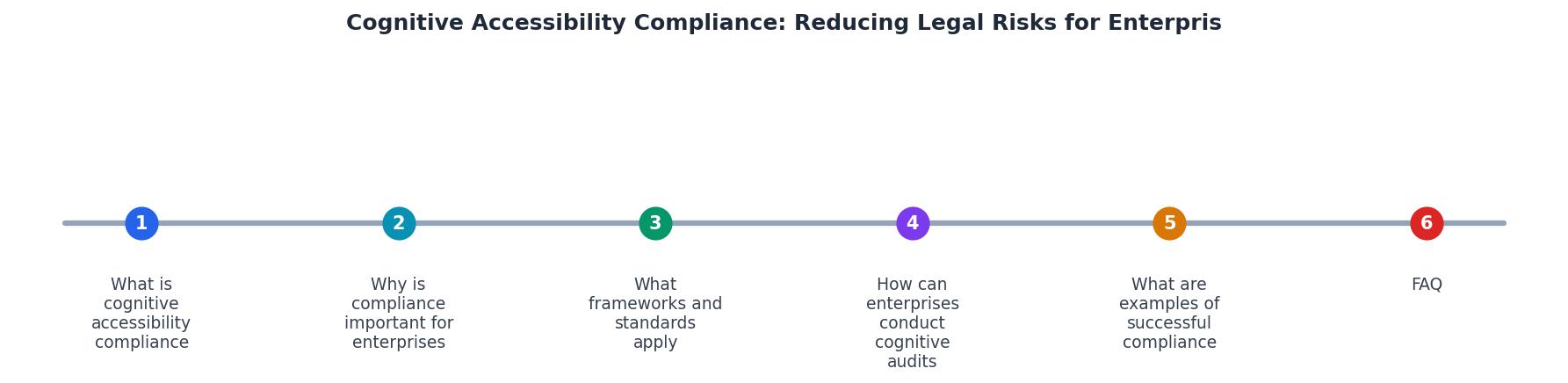
Conducting Cognitive Accessibility Audits
Conducting a cognitive accessibility audit involves several steps. Enterprises must evaluate their digital content to ensure it meets established standards. This process typically includes reviewing website design, content clarity, and navigation ease. It's essential to document findings and implement necessary changes to ensure compliance.
An effective audit involves understanding the needs of users with cognitive disabilities and testing digital content against these needs. This can involve user testing with individuals who have cognitive disabilities, as well as using automated tools to identify potential barriers. The goal is to identify areas where the digital experience can be improved to make it more accessible and user-friendly.

Examples of Successful Compliance
Many enterprises have successfully navigated compliance, serving as examples for others. These companies have implemented comprehensive accessibility strategies, resulting in improved user experiences and reduced legal risks. For instance, large tech companies have been pioneers in this field, developing tools and features that enhance accessibility for users with cognitive disabilities.
For example, some companies have implemented text-to-speech features, simplified navigation, and customizable interfaces that allow users to adjust settings according to their needs. These initiatives not only comply with legal standards but also improve the overall user experience, leading to increased customer satisfaction and loyalty.

Steps for Conducting a Cognitive Accessibility Audit
Conducting an audit involves several key steps:
Cognitive Accessibility Audit Checklist
Your progress is saved automatically in your browser.
FAQ
Frequently Asked Questions
Interactive Visual: Compliance Metrics Dashboard
Understanding compliance can be complex, but visualizing key metrics can simplify the process. Here's an example of a compliance metrics dashboard that can help track your progress.
Compliance Metrics
How is your enterprise handling cognitive accessibility compliance? Share your thoughts and experiences in the comments below.
Additional Resources
- Meeting ADA Requirements Online: Ensuring Accessibility ... - By following the WCAG guidelines, organizations reduce legal risk, improve user experience for people with disabilities, and ensure their digital content is ...
- Executive Guide to Enterprise Accessibility - Accessibility investment reduces legal and brand risk while increasing conversion, retention, and addressable markets across enterprise ...
- 10 Strategies for Mitigating Legal Risks Involving Digital ... - This checklist provides state technology leaders with strategies that may help mitigate potential legal risks as the first DOJ Accessibility Final Rule ...