
Cognitive compliance is an often overlooked aspect of ADA standards, yet it's crucial for ensuring that websites are accessible to everyone. Many organizations focus on the visual and auditory elements of accessibility, ignoring cognitive barriers that can impede comprehension and conversion. By understanding and implementing best practices for cognitive compliance, businesses can not only meet legal requirements but also enhance user experience for all visitors.

TL;DR: Achieving cognitive compliance with ADA standards involves understanding key requirements and avoiding common pitfalls. A comprehensive checklist can ensure websites are inclusive and legally compliant.
Cognitive compliance under the Americans with Disabilities Act (ADA) is increasingly important as digital platforms become ubiquitous. Ensuring that your website is accessible to users with cognitive impairments not only meets legal obligations but also broadens your audience reach. In this article, we delve into what cognitive compliance means, the ADA requirements involved, common pitfalls, and best practices to ensure your website is compliant and inclusive.
What is Cognitive Compliance and Why is it Important?
Cognitive compliance refers to the design and implementation of digital content in a way that is accessible and understandable to individuals with cognitive disabilities. This includes people with dyslexia, ADHD, autism, and other conditions that affect cognitive processing.
The significance of ADA compliance lies not just in avoiding legal ramifications but in fostering an inclusive digital environment. The ADA mandates that websites must be accessible to individuals with disabilities, including those affecting cognition. This means designing content that is not only visually and audibly accessible but also easily understandable.
What are the Key ADA Requirements for Cognitive Accessibility?

The ADA outlines several requirements for ensuring cognitive accessibility. These include:
- Clear and simple language: Use straightforward language and avoid jargon.
- Consistent navigation: Ensure that the website navigation is predictable and consistent across pages.
- Alternative text for images: Provide descriptive text for images to aid understanding.
- Adjustable text size and spacing: Allow users to modify text size and spacing to suit their needs.
"The resulting number of wheelchair spaces must be located in no fewer than 20% of the boxes covered by this section.">, ADA Accessibility Standards
What Common Pitfalls Should be Avoided?
While striving for cognitive compliance, organizations often fall into several common traps:
- Overcomplicating content: Avoid using complex language or unnecessary technical terms.
- Ignoring user feedback: Regularly seek feedback from users with cognitive disabilities to identify areas for improvement.
- Neglecting mobile accessibility: Ensure that your website is fully functional on mobile devices, as many users rely on them.
How Can You Conduct a Compliance Audit?

Conducting a compliance audit is a critical step in ensuring your website meets ADA standards. Here’s a step-by-step guide:
- Review ADA guidelines: Familiarize yourself with the ADA standards related to cognitive accessibility.
- Evaluate your website: Use tools and checklists to assess your website's current compliance status.
- Identify gaps: Note any areas where your website falls short of ADA requirements.
- Implement changes: Make necessary adjustments to your website's design and content.
- Re-evaluate: Conduct a follow-up audit to ensure all changes have been successfully implemented.
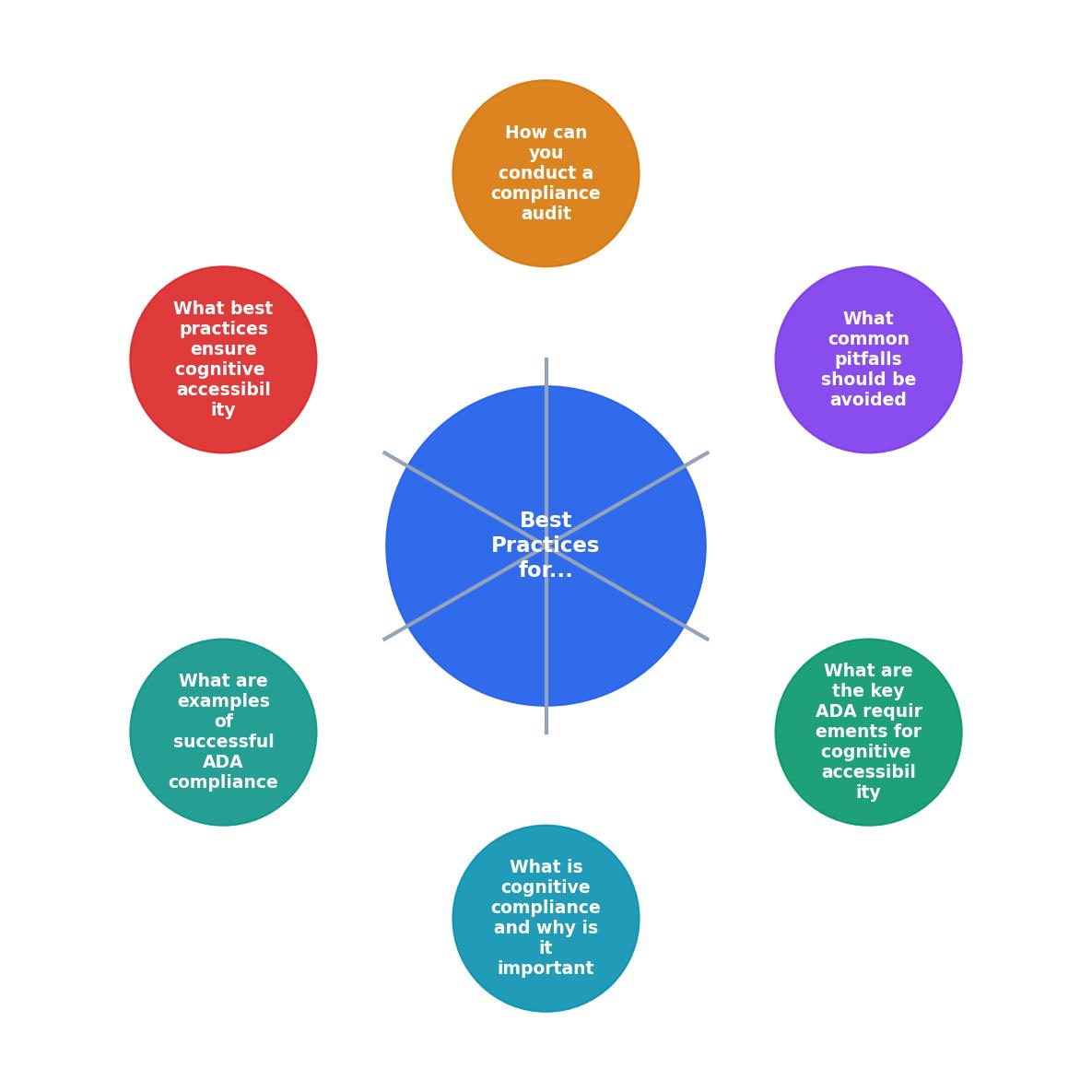
What Best Practices Ensure Cognitive Accessibility?
Ensuring cognitive accessibility involves adopting a range of best practices:
- Use multimedia content wisely: Incorporate videos and images to complement text and facilitate understanding.
- Simplify navigation: Make sure that users can easily find what they need without confusion.
- Provide feedback options: Allow users to give feedback on their experience for continuous improvement.
- Regular training: Educate your team on the importance of cognitive accessibility and how to achieve it.
What are Examples of Successful ADA Compliance?

Many organizations have successfully implemented ADA standards to improve cognitive accessibility:
- Large retail websites have simplified their navigation and content to accommodate users with cognitive disabilities.
- Educational platforms have incorporated interactive elements and alternative text to enhance understanding.
- Government websites have improved compliance by providing clear and concise information, ensuring accessibility for all users.
Key Components of a Cognitive Compliance Audit Checklist
To ensure your website meets cognitive compliance standards, consider the following checklist:
Cognitive Compliance Audit Checklist
Your progress is saved automatically in your browser.
FAQ
Frequently Asked Questions
Key takeaway: Cognitive compliance is not just a legal obligation but a crucial step towards creating an inclusive digital environment.
Ensuring cognitive compliance with ADA standards is essential for creating an inclusive and accessible online environment. By adhering to these best practices, organizations can enhance user experience and avoid potential legal pitfalls. What strategies have you found effective in achieving cognitive compliance? Share your thoughts in the comments!
Additional Resources
- ADA Accessibility Standards - It is good practice when specifying dimensions to avoid specifying a tolerance where dimensions are absolute. For example, if this document requires “1 inches,”
- Complete ADA Website Compliance Checklist for Gov - Read on for nine best practices to achieve ADA compliance website. 1. Content Should have Appropriate Headings and Titles. Use resident-facing ...
- The Ultimate Guide to Achieving ADA Compliance - The Ultimate Guide to ADA Compliance covers everything you need to know to make your websites and apps fully accessible.