
The checkout process can make or break a direct-to-consumer (DTC) brand's success. Cognitive barriers like complex forms and unclear instructions often lead to cart abandonment, frustrating both customers and businesses. Simplifying this process isn't just a nice-to-have, it's crucial for boosting conversions. By addressing these barriers, DTC brands can create a seamless checkout experience that enhances customer satisfaction and improves conversion rates.

TL;DR
- Simplifying checkout processes by addressing cognitive barriers can significantly reduce cart abandonment.
- Clear instructions and streamlined forms enhance customer conversion rates.
- Real-world examples show improved checkout flows lead to higher sales.

What are Common Cognitive Barriers in DTC Checkouts?
Cognitive barriers in checkout processes typically include complex forms, unclear instructions, and information overload. These barriers can lead to confusion and frustration for customers, ultimately causing them to abandon their purchase. For instance, a lengthy form with unnecessary fields can overwhelm users, while unclear instructions can leave them guessing what to do next.
Moreover, unclear instructions can lead to significant confusion. When instructions aren't straightforward, customers may input incorrect information, which can lead to errors and further frustration. This lack of clarity often results in abandoned carts as customers choose to shop elsewhere for a less stressful experience.

How Do These Barriers Affect Conversion Rates?
Cognitive barriers have a direct impact on conversion rates. When customers encounter difficulties during checkout, they are more likely to abandon their carts and seek alternatives. This results in lost sales and reduced revenue for businesses. Moreover, a negative checkout experience can harm a brand's reputation, discouraging repeat business.
Additionally, a streamlined checkout process can also reduce the incidence of customer service inquiries related to checkout issues. This not only saves time and resources for the business but also enhances the overall customer experience. By minimizing friction points, businesses can create a more enjoyable shopping experience that encourages customers to complete their purchases.
What Solutions Can Mitigate These Barriers?
To overcome cognitive barriers, DTC brands can implement several effective strategies:
- Simplify Forms: Reduce the number of fields and eliminate unnecessary information requests. This can be achieved by only asking for essential details required to complete the purchase. For example, rather than asking for a middle name or secondary phone number, focus on the critical information such as shipping address and payment details.
- Clear Instructions: Provide concise and straightforward instructions at each step of the checkout process. This includes using simple language and avoiding jargon. Clear instructions help guide customers through the checkout process without confusion.
- Visual Cues: Use progress indicators to show customers where they are in the checkout journey. Visual cues, such as a progress bar, provide reassurance and transparency, allowing customers to understand how many steps remain before their purchase is complete.
- Guest Checkout Options: Allow customers to complete purchases without creating an account. This reduces the perceived effort required to make a purchase and is particularly appealing to first-time customers who may be hesitant to create an account.
- Mobile Optimization: Ensure the checkout process is seamless on mobile devices. With a significant portion of online shopping occurring on mobile devices, it is crucial to have a mobile-friendly checkout process. This includes ensuring buttons are easily clickable, forms are easy to fill out, and the process is quick and responsive.

How Have DTC Brands Improved Their Checkout Flows?
These examples demonstrate the tangible benefits of optimizing checkout flows. By focusing on the user experience and identifying areas where customers may encounter cognitive barriers, these brands were able to improve their conversion rates and boost overall customer satisfaction. The competitive edge gained through such optimizations can be substantial, as customers are more likely to return to a site where they have had a positive shopping experience.
"Your accessibility audit shows you’re 87 percent compliant."
— Beyond Compliance: Accessibility Outcomes by Audie, Beyond Compliance: Accessibility Outcomes by Audie
Creating an Optimized Checkout Process
To create an optimized checkout process, follow these steps:
- Audit Your Current Process: Identify cognitive barriers by analyzing customer feedback and behavior. Use tools like heat maps and session recordings to understand where customers are dropping off and why.
- Implement Changes: Make necessary adjustments to simplify the process, such as reducing form fields and adding clear instructions. Consider A/B testing different versions of your checkout process to determine which changes have the most significant impact.
- Test and Iterate: Continuously test the new process to ensure it meets customer needs and make improvements as needed. Regularly gather feedback from customers and monitor key performance indicators like conversion rates and cart abandonment rates to identify areas for further optimization.
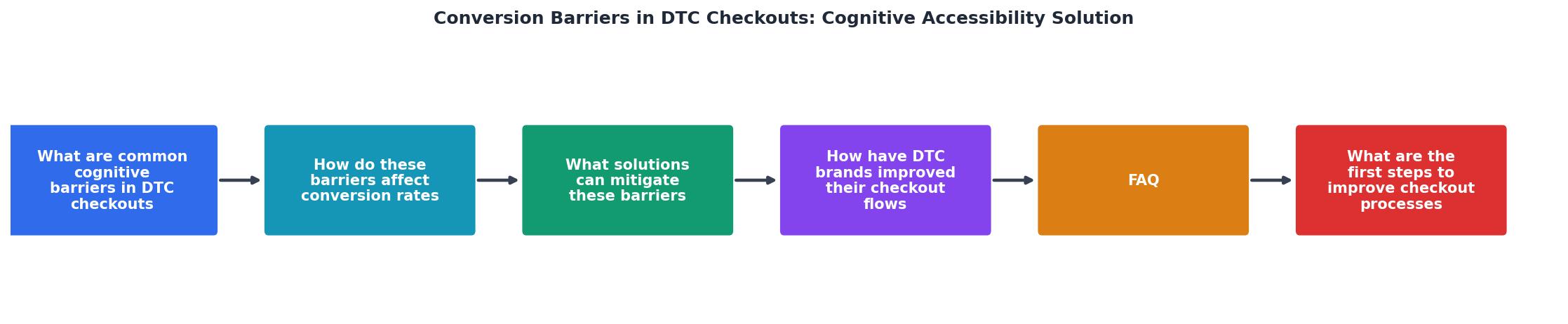
FAQ
What are the first steps to improve checkout processes?
Begin by auditing your current checkout process to identify cognitive barriers. Use customer feedback and behavior analytics to pinpoint areas for improvement. Focus on removing unnecessary steps and clarifying instructions to create a more straightforward experience.How does cognitive accessibility impact customer satisfaction?
Cognitive accessibility ensures that customers can easily understand and complete the checkout process, leading to increased satisfaction and loyalty. When customers have a positive checkout experience, they are more likely to return for future purchases and recommend the brand to others.What tools can assist in optimizing checkout flows?
Tools like PagePerson Insights can analyze your website for cognitive accessibility issues, providing actionable insights to improve your checkout process. Additionally, platforms such as Google Analytics can offer valuable data on customer behavior and help identify areas where improvements are needed.Practical Steps to Optimize Your Checkout
To help you get started, here's a checklist for optimizing your DTC checkout for cognitive accessibility:
Now it's your turn. What cognitive barriers have you encountered in your checkout process, and how have you addressed them? Share your experiences and insights in the comments below.
Additional Resources
- Beyond Compliance: Accessibility Outcomes by Audience - Cognitive accessibility: Simplifying your conversion path. Cognitive disabilities affect how users process your marketing messages, remember ...
- Improving Conversion Rates Through Accessible e- ... - This case study explores how an online retail brand improved its conversion rate by redesigning its checkout system with accessibility at its ...
- How does accessibility design improve conversions? - Accessibility isn't just a compliance checkbox—it's a conversion strategy. ... Accessible design removes barriers that silently suppress conversion and pipeline.