
The future of web design is not just about aesthetics or functionality; it's increasingly about accessibility, particularly cognitive accessibility. As digital landscapes evolve, AI-driven personalization, adaptive interfaces, and inclusive design for neurodiverse users are becoming essential. These trends are not just buzzwords, they are critical shifts that will define competitive digital experiences in the coming years. Understanding and staying ahead of these trends is crucial for anyone involved in web design and development.

TL;DR
By 2026, cognitive accessibility in web design will be shaped by AI-driven personalization, adaptive interfaces, and neurodiverse-friendly practices. Staying ahead of these trends is crucial for competitive digital experiences.
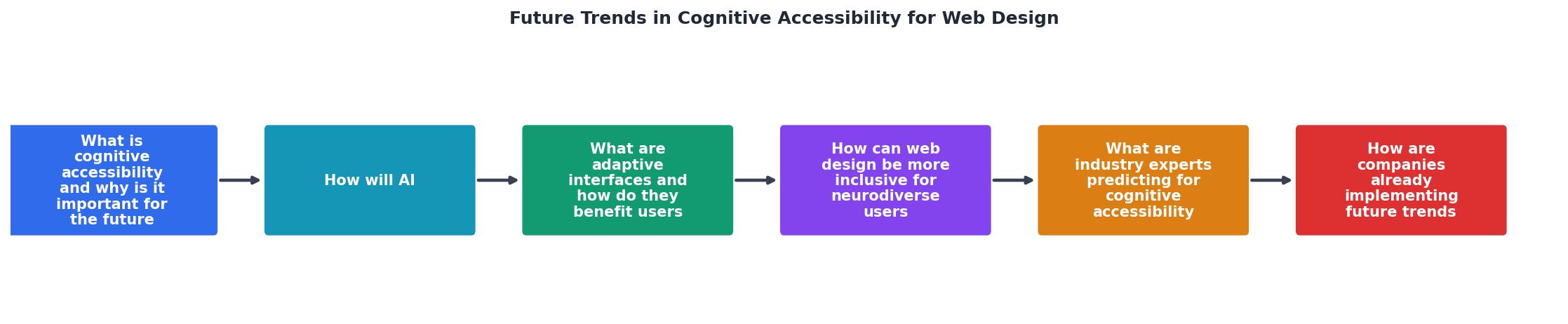
What is Cognitive Accessibility and Why is it Important for the Future?
Cognitive accessibility refers to making digital content and interfaces usable for people with cognitive disabilities such as ADHD, dyslexia, and autism. As the web becomes an essential part of everyday life, the need for inclusive design that accommodates all users is paramount. Cognitive accessibility ensures that digital content is not only available but also understandable and usable by everyone, regardless of their cognitive ability.
Key takeaway: Cognitive accessibility is not just a compliance issue; it's a fundamental aspect of user-centered design that will shape the future of digital experiences.
How Will AI-Driven Personalization Transform Web Design?
AI-driven personalization is set to revolutionize web design by creating more accessible and tailored experiences for users. Artificial Intelligence can analyze user behavior and preferences to modify website content and layout in real-time, enhancing usability for individuals with cognitive challenges.

One of the primary benefits of AI personalization is its ability to adapt text size, color contrast, and navigation structures based on user needs. For instance, a user with dyslexia might benefit from increased font size and a simplified interface, which AI can automatically adjust. This personalization not only improves accessibility but also enhances user engagement and satisfaction.
What Are Adaptive Interfaces and How Do They Benefit Users?
Adaptive interfaces adjust themselves to the user's context, preferences, and abilities, providing a more personalized user experience. These interfaces can change their layout, content, or behavior based on real-time user interaction data.

Adaptive interfaces are particularly beneficial for users with cognitive disabilities, as they can simplify complex processes and reduce cognitive load. For example, an adaptive form might hide non-essential questions for a user who struggles with information overload, presenting only the most critical fields initially.
Benefits of Adaptive Interfaces:
- Enhanced Usability: By tailoring the interface to the user's needs, adaptive interfaces make navigation and interaction more intuitive.
- Increased Engagement: Users are more likely to engage with content that feels personalized and relevant to them.
- Reduced Cognitive Load: Simplifying interfaces and content presentation helps users focus on what's important, minimizing confusion and frustration.
How Can Web Design Be More Inclusive for Neurodiverse Users?
Creating inclusive web designs for neurodiverse users involves understanding the unique challenges faced by individuals with conditions such as autism, ADHD, and dyslexia. By incorporating design strategies that cater to these needs, web designers can create more accessible and inclusive digital experiences.

Strategies for Neurodiverse-Friendly Design:
- Consistent Layouts: Maintain a consistent layout across pages to reduce confusion.
- Clear Navigation: Use straightforward navigation menus and breadcrumbs.
- Visual Aids: Incorporate visual aids and icons to support text content.
- Flexible Text Options: Allow users to adjust text size and font style to their preference.
What Are Industry Experts Predicting for Cognitive Accessibility?
Industry experts predict that cognitive accessibility will become a standard component of web design, driven by advancements in technology and increased awareness of diverse user needs.
"Key principles of accessible design Get the guide.">, Cognitive Disability: New Web Accessibility Challenges
Experts also foresee that regulatory frameworks will increasingly incorporate cognitive accessibility requirements, pushing companies to adopt these practices as a norm rather than an exception.
How Are Companies Already Implementing Future Trends?
Several companies are leading the way by integrating cognitive accessibility into their web design practices. By adopting AI-driven personalization and adaptive interfaces, these companies are setting new standards for inclusivity.
Case Studies of Early Adopters:
- Microsoft: Utilizes AI to create adaptive learning tools that cater to diverse learning styles and cognitive needs.
- Google: Implements machine learning to adjust search results and interface elements based on user behavior and preferences.
- Amazon: Uses personalization algorithms to enhance shopping experiences for users with varying cognitive abilities.
Key Metrics
FAQ
Frequently Asked Questions
Future-Proof Cognitive Accessibility Practices
Your progress is saved automatically in your browser.
How are you preparing your website for the future of cognitive accessibility? Share your thoughts in the comments below.
Additional Resources
- Cognitive Disability: New Web Accessibility Challenges - Tips for making your website accessible to users with cognitive disabilities · Use patterns logically and consistently · Pay attention to mental ...
- The Top Ten Accessible Web Design Trends for 2026 - NewCity - 1. Simplified User Interfaces · 2. Sustainable Web Design · 3. Experimental Navigation · 4. Motion Design: Parallax Scrolling · 5. Progressive Lead- ...
- The State of Web Accessibility for People with Cognitive ... - Web accessibility can include considerations of usability, which “is about effective, efficient, and satisfying design of websites and mobile applications” (p.