

In the ever-evolving landscape of digital design, cognitive accessibility is emerging as a crucial frontier. As UX designers, staying ahead of these trends is essential to create inclusive digital experiences. This article explores the latest advancements in cognitive accessibility, highlighting how technology and new design methodologies can help designers address the diverse needs of users.

- Emerging trends in cognitive accessibility include advancements in technology and new design methodologies.
- Staying updated with these trends can help UX designers create more inclusive and effective digital experiences.
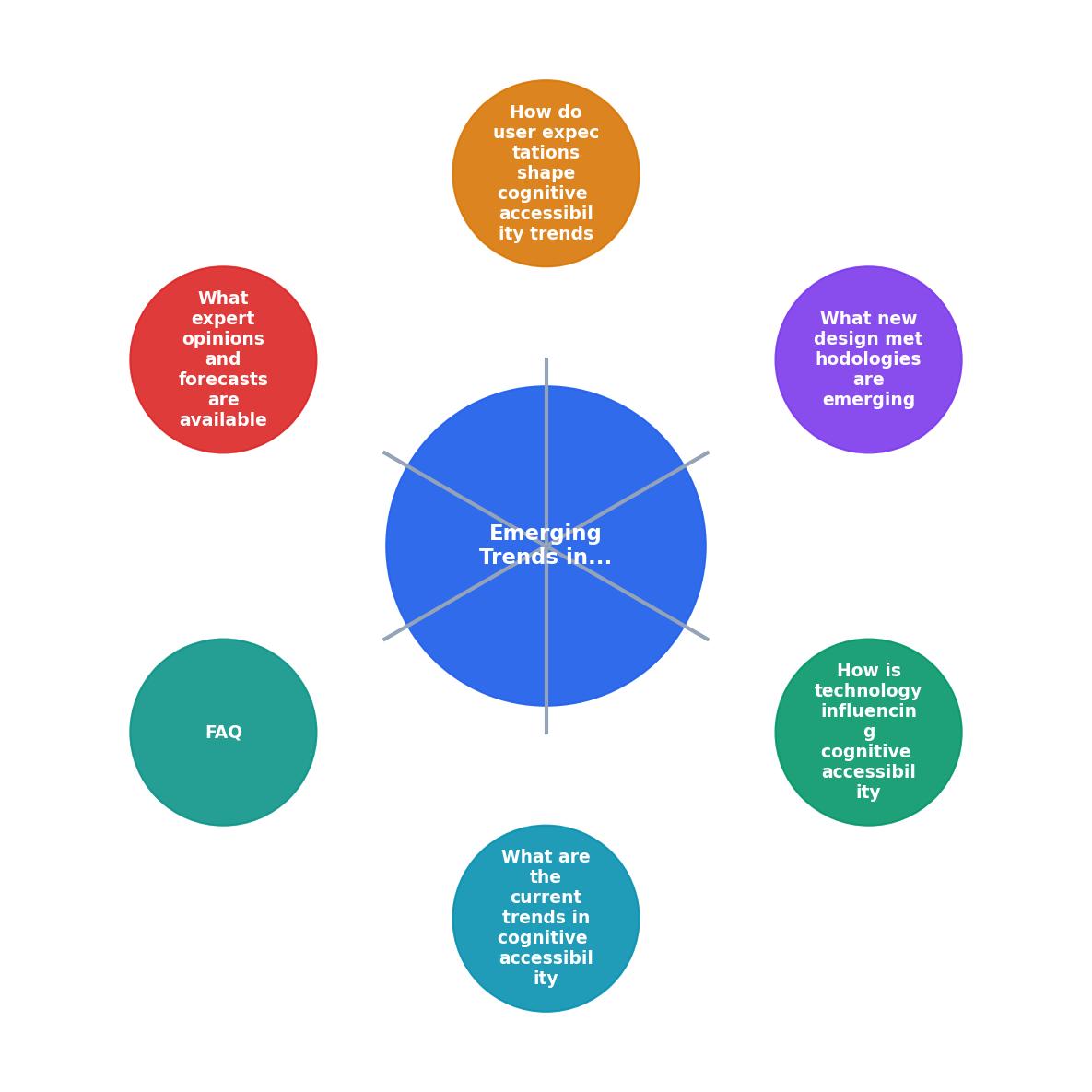
What are the Current Trends in Cognitive Accessibility?
Cognitive accessibility focuses on making digital content comprehensible and navigable for users with various cognitive challenges. Recent trends highlight a shift towards more inclusive design practices that consider users with ADHD, dyslexia, and other cognitive differences.

- Personalization and User-Centric Design: Modern UX design increasingly emphasizes personalization. By tailoring content to meet individual cognitive needs, designers can enhance user engagement and satisfaction.
- Simplified Interfaces: Minimalist design, which reduces cognitive load, is gaining traction. This approach uses clear layouts and intuitive navigation to help users process information more efficiently.
- Enhanced Feedback Mechanisms: Providing immediate feedback helps users understand their actions' consequences, reducing confusion and improving task completion rates.
- Voice User Interfaces (VUIs): As voice technology becomes more sophisticated, VUIs are being integrated to aid users who struggle with traditional text-based interactions.
How is Technology Influencing Cognitive Accessibility?
Technology plays a pivotal role in advancing cognitive accessibility. Artificial Intelligence (AI) and Machine Learning (ML) are particularly influential in this domain.

- AI-Powered Personalization: AI algorithms can analyze user behavior to deliver personalized content that aligns with individual cognitive preferences, enhancing comprehension and engagement.
- Automated Accessibility Testing: Tools leveraging AI can automatically identify and suggest improvements for cognitive accessibility issues in digital content, streamlining the design process.
- Natural Language Processing (NLP): NLP technology helps in creating more intuitive and accessible user interactions by understanding and responding to user queries in natural language.
What New Design Methodologies are Emerging?
Design methodologies are evolving to incorporate cognitive accessibility principles more seamlessly.

- Inclusive Design Frameworks: These frameworks guide designers to consider a wide range of cognitive abilities from the outset, rather than as an afterthought.
- User Testing with Neurodiverse Groups: Engaging with neurodiverse users during testing phases provides valuable insights, allowing designers to refine interfaces to be more inclusive.
- Iterative Design Processes: Emphasizing flexibility, iterative design processes allow for continuous testing and adaptation, ensuring interfaces meet diverse cognitive needs effectively.
"The conversation around neurodiversity, focus, clarity, and cognitive load is growing and it’s reshaping how we design and build the web."
— Cognitive Accessibility is becoming one of the mos, Cognitive Accessibility: A New Frontier in UX Desi
How Do User Expectations Shape Cognitive Accessibility Trends?
User expectations are evolving, demanding more intuitive and accessible digital experiences. As users become more aware of their cognitive needs, they expect products that cater to these requirements.
- Demand for Customization: Users expect applications to adapt to their specific cognitive preferences, offering options for text size, contrast, and navigation style.
- Expectation of Seamless Experience: Users now anticipate seamless transitions between devices and platforms, requiring consistent cognitive accessibility features across all touchpoints.
- Increased Awareness and Advocacy: As awareness of cognitive diversity grows, users are advocating for products that respect and accommodate their cognitive differences.
What Expert Opinions and Forecasts are Available?
Industry experts emphasize the importance of integrating cognitive accessibility into UX design to create more inclusive digital environments.
Guide to Implementing Emerging Cognitive Accessibility Trends in UX Projects
To effectively incorporate these trends into your UX projects, follow this checklist:
Implementing Cognitive Accessibility Trends
Your progress is saved automatically in your browser.
FAQ
Frequently Asked Questions
As cognitive accessibility continues to shape the future of UX design, what trends do you think will have the most significant impact on your projects? Share your thoughts and join the conversation.
Additional Resources
- Cognitive Accessibility: A New Frontier in UX Design - Cognitive Accessibility is becoming one of the most important aspects of modern UX and most teams still don't realise it.
- Accessibility Design Trends Every UX Designer Must Know - Accessibility goes beyond traditional considerations like screen readers for visually impaired users. It encompasses cognitive, motor, auditory, ...
- Accessibility for user experience designers | Digital.gov - Inclusive design · Vision disabilities – such as blindness, low vision, or color blindness · Hearing disabilities – such as deafness, low hearing, or tinnitus ...