

Compliance teams spend months checking color contrast ratios and alt text, then wonder why users with cognitive disabilities still abandon their sites. The gap is cognitive accessibility, the part of compliance that addresses how people actually process, understand, and act on digital content. Closing that gap does more than reduce legal risk. It builds the kind of trust that turns first-time visitors into long-term users and keeps regulators satisfied.

- Cognitive accessibility compliance goes beyond visual checks to address how users understand and navigate content.
- Meeting standards like WCAG 2.2 cognitive criteria, the European Accessibility Act, and ADA requirements signals credibility and transparency to stakeholders.
- Organizations that document and communicate their compliance efforts see measurable gains in user trust, retention, and reduced legal exposure.
"According to a UK study, 71% of people with disabilities will leave a website that is not accessible.">, Accessibility Is the Key to Digital Trust and Brand Loyalty
That number alone should reframe how compliance teams prioritize cognitive accessibility. Losing 71% of a user segment is not a minor UX issue. It is a trust failure.
The Regulatory Landscape

Cognitive accessibility sits at the intersection of several regulatory frameworks, and the pressure is increasing. Here are the standards that matter most right now:
- WCAG 2.2 (Level AA and AAA) includes success criteria directly relevant to cognitive function: consistent navigation (3.2.3), error identification (3.3.1), labels or instructions (3.3.2), and the newer "accessible authentication" criterion (3.3.8) that reduces cognitive burden during login flows.
- European Accessibility Act (EAA), enforceable since June 2025, requires products and services sold in the EU to be accessible. It explicitly covers "understandability" and "predictability" of interfaces, both cognitive accessibility concerns.
- ADA Title III in the United States continues to generate lawsuits against websites. Courts increasingly reference WCAG as the benchmark, and cognitive barriers like confusing navigation or unclear error messages appear in plaintiff complaints.
- Section 508 (US federal procurement) and EN 301 549 (EU public procurement) both incorporate WCAG criteria, meaning government contracts now require cognitive accessibility documentation.
- WCAG 3.0 (W3C draft) introduces a scoring model that weights cognitive outcomes more heavily than previous versions, signaling where the standard is heading.
Only about 65% of organizations that conduct accessibility audits include cognitive criteria. The remaining 35% leave a significant compliance and trust gap.
How Compliance Builds Stakeholder Trust

Trust is not abstract. It shows up in procurement decisions, user retention metrics, and brand perception surveys. Here is how cognitive accessibility compliance creates trust at each stakeholder level:
Regulators and legal teams look for documented, repeatable processes. When your organization can produce audit reports that cover cognitive criteria (not just contrast ratios and keyboard navigation), it demonstrates due diligence. That documentation becomes your defense in a complaint or lawsuit. A VPAT (Voluntary Product Accessibility Template) that includes cognitive accessibility findings carries more weight than one that skips them entirely.
Procurement teams at enterprise and government buyers evaluate accessibility statements during vendor selection. A compliance posture that addresses cognitive accessibility differentiates your bid. In EU public procurement under EN 301 549, cognitive criteria are not optional. Vendors who document compliance with these criteria win contracts that competitors lose.
End users experience trust through interaction quality. When a form explains errors in plain language instead of cryptic codes, when navigation stays consistent across pages, when authentication does not require memorizing complex sequences, users feel respected. They may not articulate it as "cognitive accessibility compliance," but they recognize the difference between a site that works for them and one that does not.
Internal stakeholders (executives, product managers, developers) gain confidence when compliance is documented and measurable. A clear compliance framework reduces the "are we going to get sued?" anxiety and replaces it with evidence-based assurance.
Real-World Trust Improvements
Concrete examples illustrate the connection between cognitive accessibility compliance and trust outcomes:
- GOV.UK redesigned its digital services around plain language, consistent layouts, and predictable navigation patterns. The result: user satisfaction scores increased, support call volumes dropped, and the UK Government Digital Service became a global benchmark for accessible design. Their compliance documentation is public and frequently cited in procurement evaluations.
- Barclays Bank invested in cognitive accessibility across its online banking platform, including simplified transaction flows and clearer error messaging. The bank reported improved customer satisfaction among users with cognitive disabilities and reduced complaint volumes related to digital services.
- Target Corporation (US) settled an ADA lawsuit in 2008 for $6 million and subsequently overhauled its website accessibility program. The company's post-settlement accessibility improvements, including cognitive clarity in checkout flows, became a case study in how compliance investment rebuilds trust after a legal setback.
The cost of non-compliance is not theoretical. It shows up in settlement checks, lost contracts, and user attrition.
Implement and Communicate Compliance

Having a compliance program is one thing. Making it visible and credible is another. The following framework covers both implementation and communication:
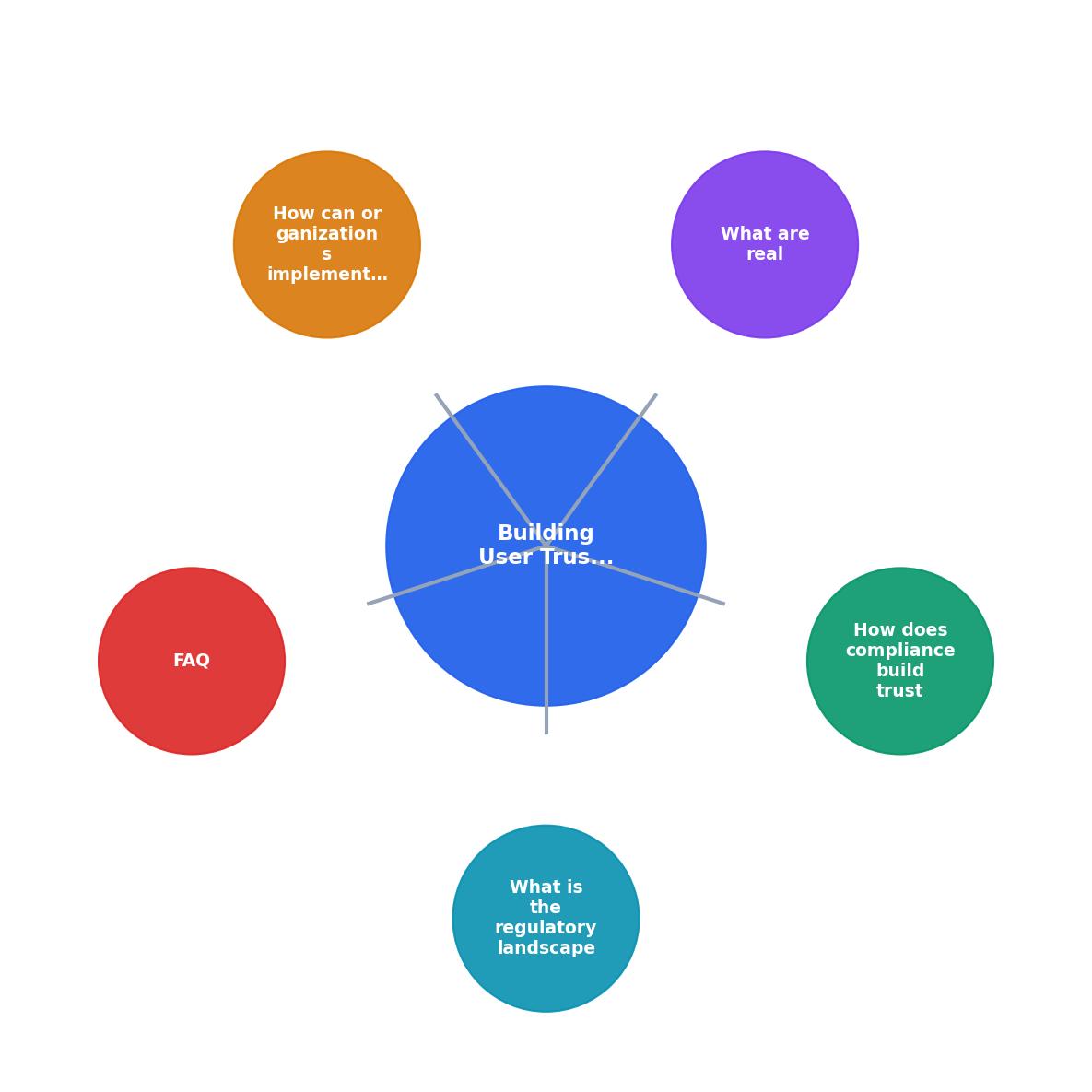
The process follows five steps: Audit cognitive barriers, Prioritize by user impact, Fix identified issues, Document changes and conformance, and Communicate results to stakeholders.
Audit cognitive barriers
Start with a structured audit that goes beyond automated scanning. Automated tools catch about 30% of WCAG issues and almost none of the cognitive ones. Manual review with cognitive accessibility heuristics (reading level, navigation consistency, error clarity, memory load) is essential. Tools like PagePerson Insights can surface cognitive barriers that traditional scanners miss, giving your audit real depth.
Prioritize by user impact
Not every cognitive barrier carries equal weight. Prioritize issues that affect the largest number of users or create the highest abandonment risk. Login flows, checkout processes, and error states are typical high-impact areas.
Fix identified issues
Address fixes in sprints, not as a one-time project. Cognitive accessibility is iterative. Plain language rewrites, consistent navigation patterns, simplified form flows, and clear error messages are common fixes.
Document changes
Every fix should be recorded in your accessibility conformance report. Include the WCAG criterion addressed, the before/after state, and the testing method used. This documentation is your trust evidence.
Communicate results
Publish an accessibility statement on your website that specifically mentions cognitive accessibility. Update your VPAT. Share compliance progress in stakeholder reports. Transparency about what you have done (and what you are still working on) builds more trust than claiming perfection.
The following interactive card summarizes the compliance communication strategy and its trust impact across different stakeholder groups:
Compliance Communication Trust Impact
Key Compliance Standards
Here is a quick reference of the standards that address cognitive accessibility directly or indirectly:
| Standard | Scope | Cognitive Criteria | Enforcement |
|---|---|---|---|
| WCAG 2.2 AA | Global web standard | Error prevention, consistent navigation, labels | Referenced in lawsuits and procurement |
| European Accessibility Act | EU products and services | Understandability, predictability | Mandatory since June 2025 |
| ADA Title III | US commercial websites | Courts reference WCAG | Litigation-driven |
| Section 508 | US federal digital services | Incorporates WCAG 2.0+ | Procurement requirement |
| EN 301 549 | EU public procurement | Maps to WCAG + usability | Contract requirement |
Cognitive Accessibility Compliance Framework
Your progress is saved automatically in your browser.
FAQ
Frequently Asked Questions
What cognitive accessibility barrier has caused the most trust issues with your users or stakeholders? Share your experience below.
Additional Resources
- Accessibility Is the Key to Digital Trust and Brand Loyalty - Accessibility isn't just about compliance; it's a cornerstone of digital trust, brand loyalty, and inclusive innovation.
- Guide to WCAG Compliance for Version 2.2 and Accessibility - Meet data privacy and accessibility regulatory requirements, provide great user experience, and build long-term trust with your audience.
- Designing Digital Content For Users With Cognitive ... - Provide clear feedback for user actions and errors, using plain language and avoiding ambiguous error messages. Design predictable navigation paths and provide ...